Feydhoo Tourism Zone - A Destination Investment Vision
Seenu Feydhoo
An experience-led destination vision for Feydhoo, blending coastal hospitality, place branding, masterplan storytelling, and investor appeal into a strategic tourism proposition for the future of the Maldives and community value.
The Feydhoo Tourism Zone was shaped as an experience-led destination vision, bringing together coastal hospitality, community value, visitor appeal, and investment potential within one strategic framework. Through Perrlich’s Experience Strategy approach, the project was developed to move beyond a conventional masterplan and become a compelling destination proposition — one that could communicate how the place would feel, function, attract, and grow over time.
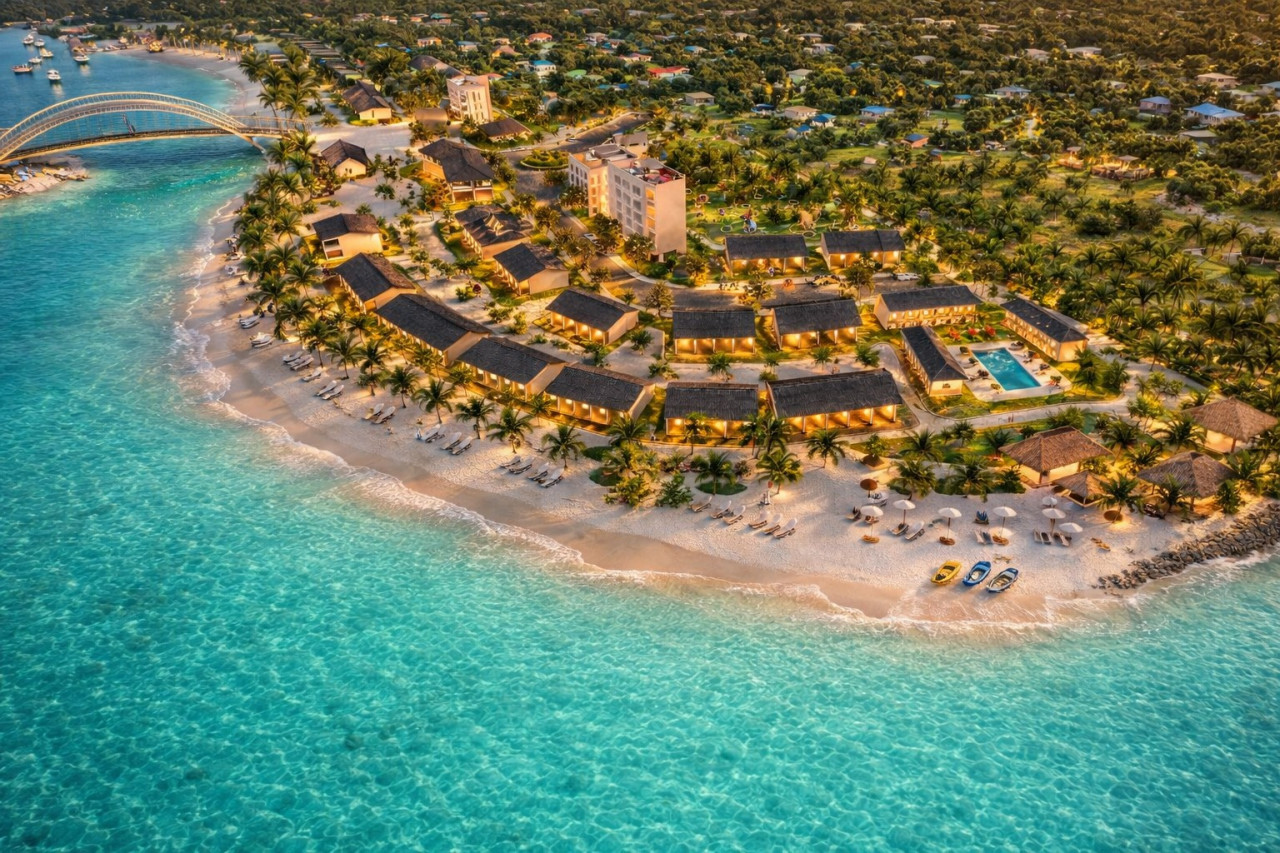
At the centre of the assignment was the creation of a masterplan visualization that translated the tourism zone’s ambition into a clear and persuasive spatial story. The visual framework expressed how land, sea, movement, hospitality clusters, public areas, beachfront activity, and marine access could work together as a connected coastal experience. Rather than presenting development as a static layout, the visualization helped reveal the rhythm of the destination: where visitors arrive, how they move, where they gather, and how the setting creates memorable moments.
The project also required a strong destination identity that could give Feydhoo a distinctive voice in the Maldives tourism landscape. Perrlich developed a brand direction that reflected the island’s coastal character, while positioning the tourism zone as commercially attractive, sensorially rich, and open to future investment. The narrative was crafted to speak to both emotional and strategic audiences — inviting visitors to imagine the experience, while helping investors and stakeholders understand the project’s value.
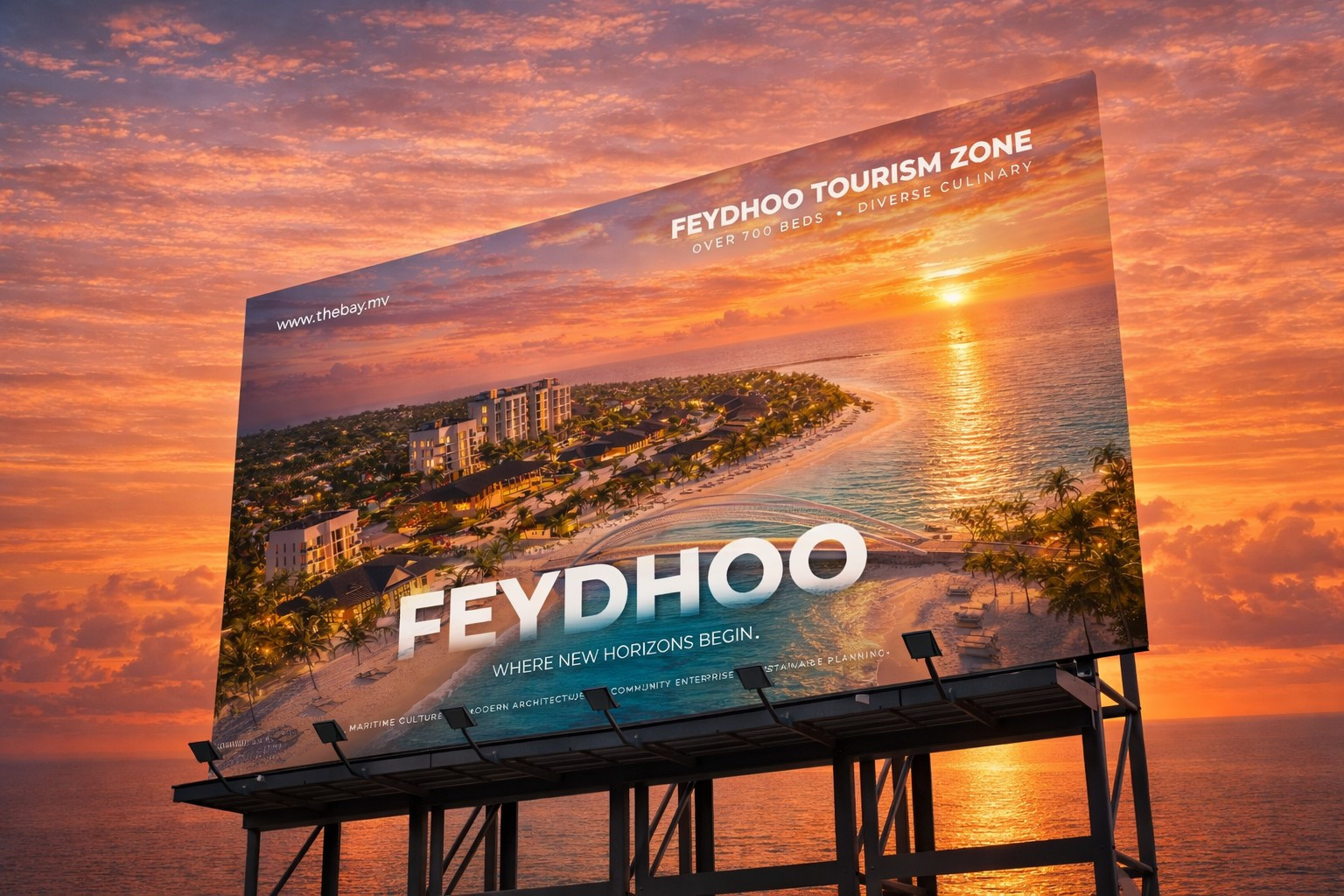
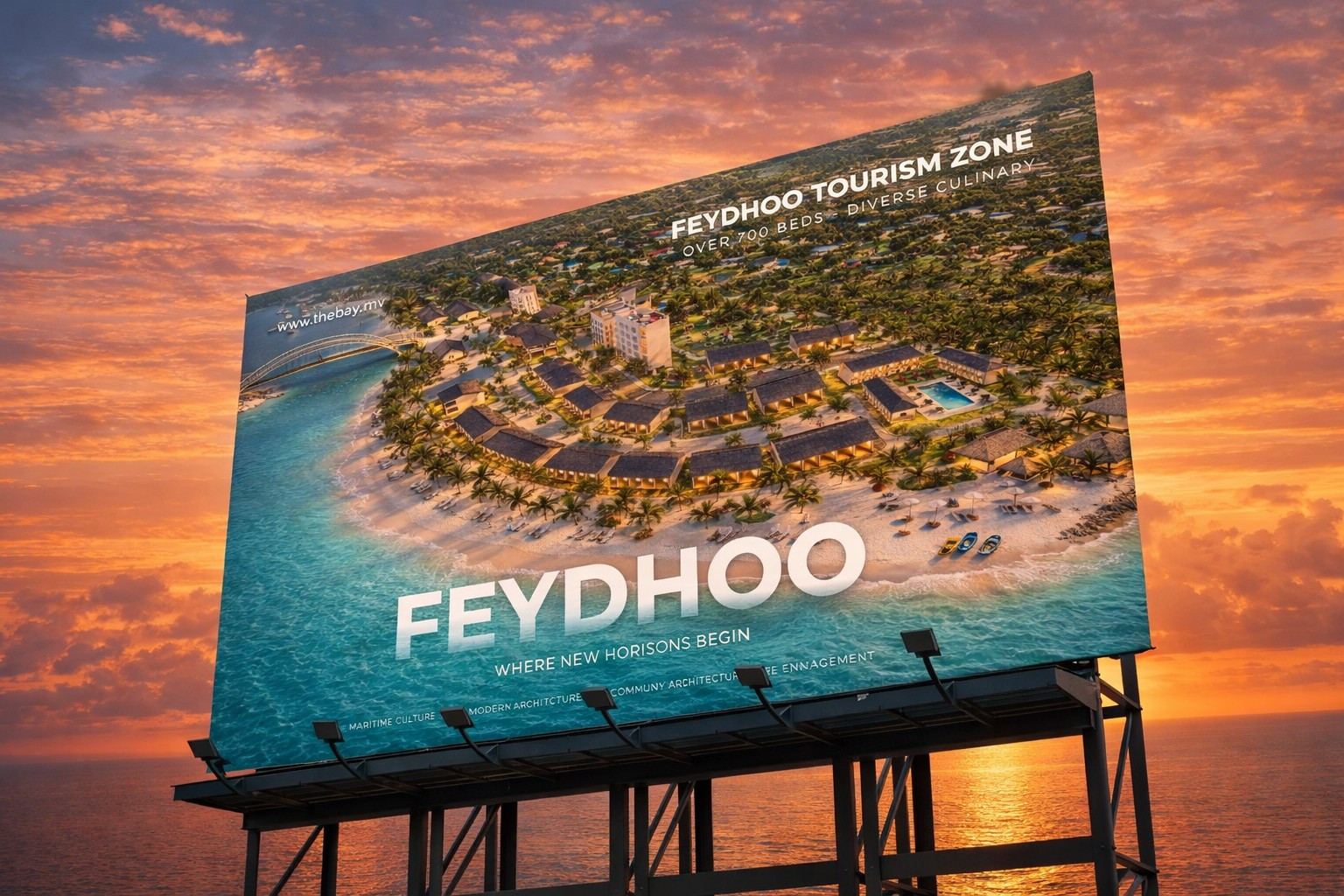
To support communication and early-stage promotion, Perrlich created billboard concepts that gave the development a public-facing presence. These visuals were designed to capture attention quickly, communicate ambition with clarity, and build recognition around the destination vision. Each concept worked as a bridge between planning, branding, and market engagement, helping the project become easier to understand and easier to advocate.
Through this assignment, Perrlich applied its strength in experience strategy by connecting place, brand, movement, storytelling, and investment communication. The result was an integrated destination package that could support stakeholder discussions, council engagement, investor outreach, and future development conversations. The Feydhoo Tourism Zone demonstrates how experience strategy can transform a coastal development idea into a marketable destination vision. It is not merely a masterplan or a brand identity, but a structured proposition for how a place can attract people, create value, and become part of the evolving tourism future of the Maldives.